Up to $4 million in funding available to pursue ‘investigational new drug’ status
Needleman innovation program seeks proposals for therapeutic development (Links to an external site)
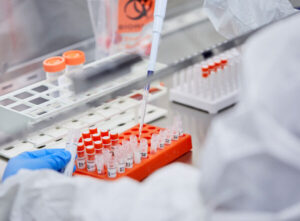
Up to $4 million in funding available to pursue ‘investigational new drug’ status

Targeting opioid receptor pathway could treat pain without addiction, hallucinations

Alzheimer’s proteins rise sharply in response to stress in female mice

Recognized for gathering, applying knowledge in service of the public good

Cardiothoracic imaging expert brings strengths in research, education, leadership

Washington University neurologist led international trials of the drug, tofersen

More research needed to determine if sleep medications prevent, delay Alzheimer’s

Findings point to brain areas that integrate planning, purpose, physiology, behavior, movement

Recognized for contributions to Alzheimer’s disease research

Recognized for research, innovation in medical and biological engineering

Remote team and machine learning help anesthesia clinicians head off and troubleshoot rare but potentially life-threatening events

Findings could lead to universal therapies for alcohol, tobacco, cannabis, opioid addictions

For 20 years, the Knight Alzheimer Disease Research Center has worked to boost diversity in clinical trials
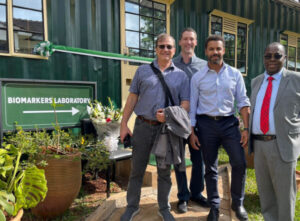
This episode of ‘Show Me the Science’ focuses on efforts in St. Louis and Kenya to ID and treat young people at risk for schizophrenia and other serious conditions

Expert on diagnostic and prognostic markers for brain tumors
WashU Med researchers publish in NEJM, JAMA, Nature, Science – all in a week’s time

Findings, in mice, open up drug development possibilities for brain diseases linked to tau protein

For some patients, 2 different medications better than antidepressant alone
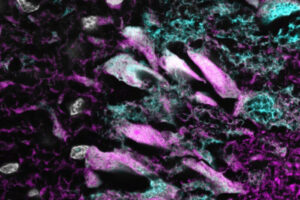
New imaging technique reveals circulation patterns in developing brain

Depression screenings, following up on mental health concerns have become important aspects of pediatric care